
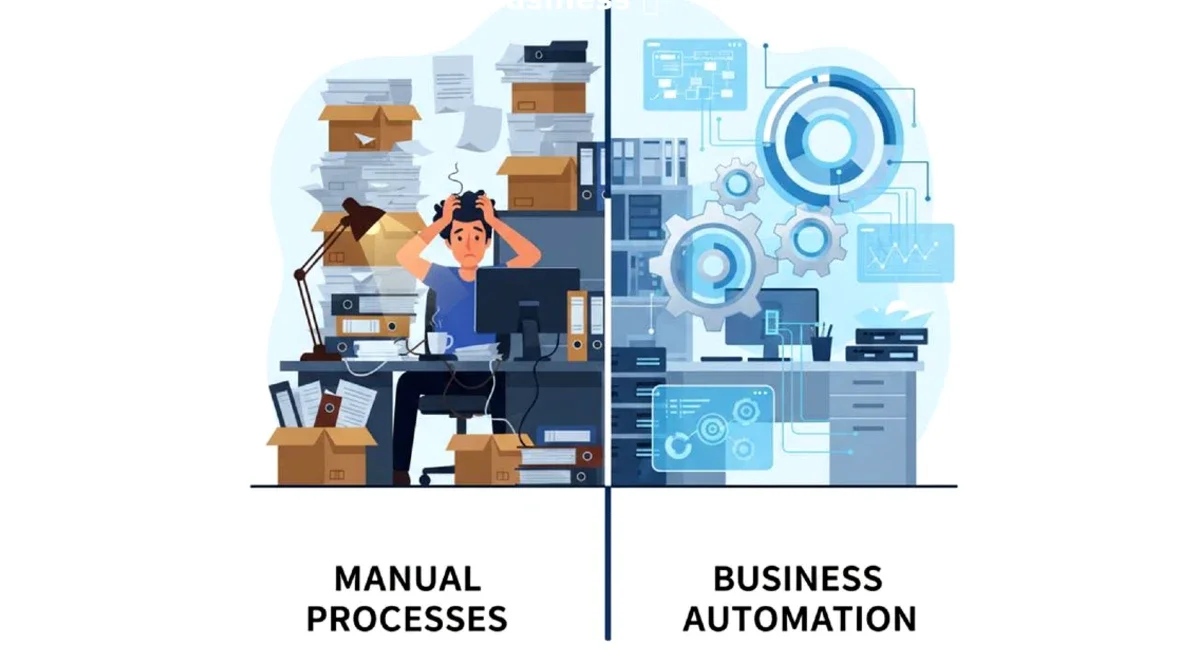
In today’s fast-paced digital world, businesses are constantly looking for smarter ways to manage customers, leads, and sales processes. While traditional sales management methods have been used for decades, modern businesses are rapidly shifting toward CRM solutions.
But which one is actually better? Let’s explore the difference between CRM and traditional sales management to understand what works best for your business.
What is Traditional Sales Management?
Traditional sales management refers to manual processes used to track leads, customers, and sales activities. This often includes:
-
Excel sheets or handwritten records
-
Manual follow-ups
-
Phone calls and physical meetings
-
Limited reporting and data tracking
While this approach worked in the past, it comes with several limitations such as data loss, lack of real-time insights, and inefficiency in handling large volumes of customers.
What is CRM Software?
CRM (Customer Relationship Management) software is a digital solution that helps businesses manage interactions with customers, automate processes, and improve sales efficiency.
Today, Top CRM services offer advanced features like:
-
Automated lead tracking
-
Customer data management
-
Sales pipeline monitoring
-
Real-time analytics and reporting
-
Task automation
Using the best CRM platform, businesses can streamline their entire sales process and improve productivity.
CRM vs Traditional Sales Management: Key Differences
1. Data Management
Traditional Method:
Data is stored manually, often scattered across files or notebooks. This increases the risk of errors and data loss.
CRM Software:
With the Best CRM software, all customer data is stored securely in one centralized system, accessible anytime.
2. Lead Management
Traditional Method:
Tracking leads manually can result in missed opportunities and poor follow-ups.
CRM Software:
The best CRM lead management software ensures every lead is tracked, nurtured, and converted effectively. It is ideal for businesses looking for CRM for lead management.
3. Automation
Traditional Method:
Everything is done manually, which consumes time and reduces efficiency.
CRM Software:
The best service CRM software automates tasks like follow-ups, reminders, and email campaigns, saving time and effort.
4. Sales Team Productivity
Traditional Method:
Sales teams spend more time managing data than actually selling.
CRM Software:
Using CRM software for the sales team, businesses can improve productivity by automating routine tasks and focusing on closing deals.
5. Reporting & Analytics
Traditional Method:
Limited or no real-time insights.
CRM Software:
The best CRM platform provides detailed reports, helping businesses make data-driven decisions.
6. Scalability
Traditional Method:
Difficult to scale as business grows.
CRM Software:
With Top CRM services, businesses can easily scale operations without losing efficiency.
Advantages of CRM Over Traditional Sales Management
Switching to CRM offers several benefits:
-
Better Lead Conversion
Using the best CRM lead management software, businesses can track leads more efficiently and increase conversion rates.
-
Improved Customer Relationships
CRM helps maintain personalized communication, improving customer satisfaction.
-
Time-Saving Automation
The best service CRM software reduces manual work and boosts efficiency.
-
Centralized Data Access
With the Best CRM software, all data is available in one place.
-
Increased Revenue
Using CRM software for the sales team, businesses can close deals faster and generate more revenue.
When Traditional Sales Management Might Still Work
Although CRM is more advanced, traditional methods may still work for:
-
Small businesses with limited customers
-
Businesses with very simple sales processes
-
Offline or local operations
However, even small businesses are now shifting toward CRM due to increasing competition.
Which One Should You Choose?
If your goal is growth, efficiency, and scalability, then CRM is the clear winner.
Modern businesses prefer Top CRM services because they offer:
-
Better organization
-
Faster sales processes
-
Improved customer experience
-
Data-driven decision-making
Choosing the best CRM platform ensures your business stays competitive in today’s digital era.
Conclusion
While traditional sales management laid the foundation for customer handling, it is no longer sufficient for modern business needs. CRM systems have revolutionized how businesses manage leads, customers, and sales processes.
By adopting the Best CRM software, businesses can improve efficiency, boost sales, and enhance customer relationships. Whether you are a startup or an established company, investing in the best CRM lead management software is a smart move for long-term success.